Blisters
Prevention: Proper-fitting boots, moisture-wicking socks, break in gear before long trips.
Treatment: Don't pop; protect with blister pads; keep clean and dry.
Safe outdoor exploration depends on preparation, awareness, and smart decision-making. This guide covers essential safety practices and risk awareness for New Zealand adventures.
New Zealand weather is notoriously changeable. What begins as a sunny morning can turn cloudy and rainy by afternoon, particularly in alpine regions and near exposed ridges.
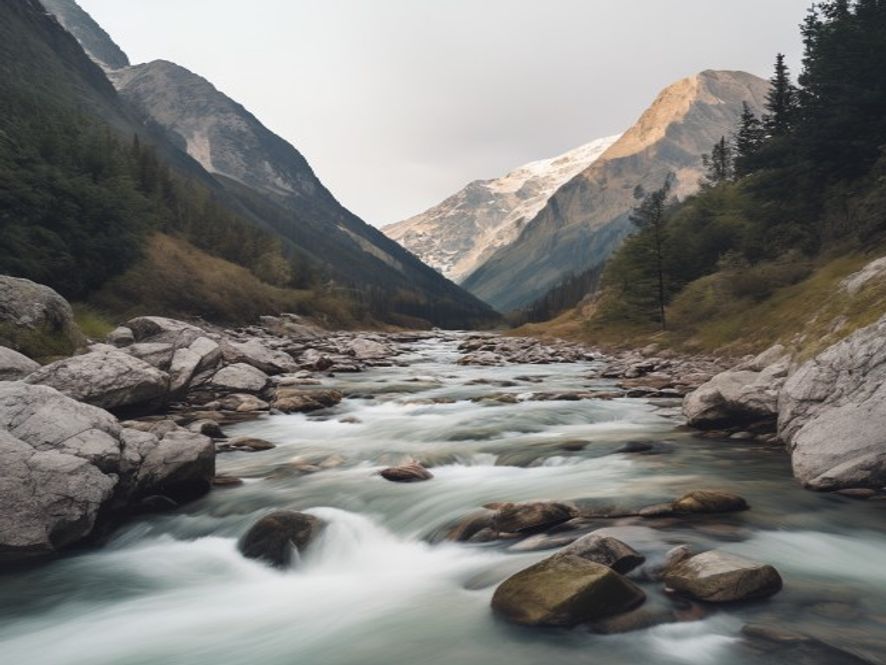
Many New Zealand trails involve river or stream crossings. Water levels vary dramatically with rainfall and snowmelt.
Prevention: Proper-fitting boots, moisture-wicking socks, break in gear before long trips.
Treatment: Don't pop; protect with blister pads; keep clean and dry.
Prevention: Drink regularly (don't wait until thirsty), especially at altitude; carry adequate water.
Symptoms: Dark urine, dizziness, confusion. Rest and rehydrate immediately.
Prevention: Avoid cotton; stay dry; wear layers; bring emergency shelter (bivy).
Warning signs: Shivering, confusion, drowsiness. Seek shelter and rewarm gradually.
Prevention: Apply SPF 30+ sunscreen regularly; wear hat and sunglasses.
Note: UV intensity increases significantly with elevation. Clouds don't block UV rays.
Prevention: Watch your footing on uneven terrain; move deliberately; consider lightweight ankle support.
Response: Rest, ice if possible, elevate, compress. Avoid further weight-bearing.
Prevention: Maintain hydration and electrolyte balance; take regular breaks in shade.
Symptoms: Weakness, dizziness, rapid pulse. Cool down and rest immediately.
Particularly active near water and at dusk. Use insect repellent (DEET-based), wear long sleeves and pants in high-risk areas. Most active December–February.
Common in forest sections. Wear long trousers and learn to identify them. If stung, wash thoroughly and apply cool water. Symptoms usually subside in minutes to hours.
Rare, but New Zealand has two venomous species (Katipo, Redback). Check boots and sleeping areas. Bites are uncommon and treatment is available.
Loose rock and scree slopes are unstable. Move carefully and deliberately. Avoid hiking below other parties (falling rocks). Gaiters protect ankles.
This is an educational checklist. Customize based on your specific trip, experience level, and current conditions.