Base Layer
Function: Moisture management away from skin
Materials: Merino wool or synthetic (nylon, polyester)
Why not cotton: Retains moisture, takes time to dry, loses insulating properties when wet
Fit: Snug but not restrictive; allows movement
The right equipment makes outdoor exploration safer and more enjoyable. This educational guide explains gear selection, layering strategies, and preparation techniques.
Proper layering helps you regulate body temperature across varying conditions. The three-layer system is a practical framework:
Function: Moisture management away from skin
Materials: Merino wool or synthetic (nylon, polyester)
Why not cotton: Retains moisture, takes time to dry, loses insulating properties when wet
Fit: Snug but not restrictive; allows movement
Function: Traps warm air; insulates even when wet
Materials: Fleece, wool, down (in dry conditions), synthetic insulation
Advantage: Can be added or removed to manage temperature
Weight: Mid-weight options offer good warmth-to-weight ratio
Function: Wind and rain protection
Materials: Waterproof/breathable fabric (Gore-Tex or similar)
Ventilation: Good shells allow moisture escape while blocking wind
Packability: Lightweight shells compress small for easy transport
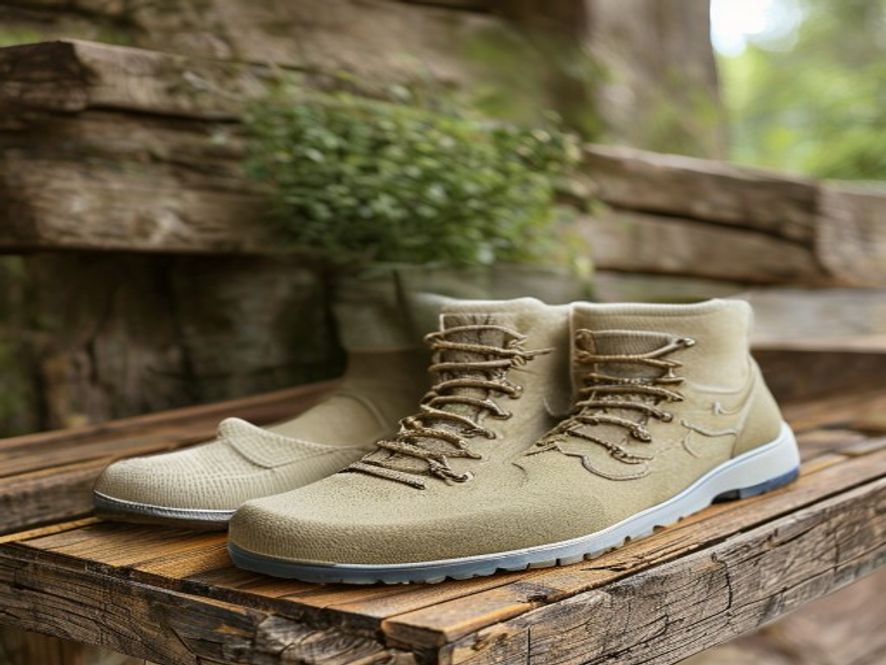
Your boots and socks are foundation of comfort. New Zealand's wet terrain demands careful footwear choice.
Water bottle or hydration pack. 1–2 litres minimum for day walks. Lightweight, reusable options reduce waste.
Map and compass (essential skill) or GPS device. Offline maps on smartphone. Know how to read terrain.
Broad-spectrum sunscreen (SPF 30+), hat, and sunglasses. UV intensity increases with elevation.
Headtorch with spare batteries. Essential even for day walks (days shorten quickly).
Blister treatments, pain relief, bandages, antiseptic. Compact kit weighs little but may save discomfort.
20–30L for day walks, proper fit matters. Look for padded straps and back support. Test before purchase.
| Season | Temperature Range | Key Additions | Watch For |
|---|---|---|---|
| Spring | 5–15°C | Warm mid-layer; rain jacket; sunscreen | Variable weather; UV despite cool temps |
| Summer | 15–25°C | Light base layer; hat; extra water; high-SPF sunscreen | Intense UV; dehydration; midges |
| Autumn | 8–18°C | Layering flexibility; wind jacket | Earlier darkness; stable but variable conditions |
| Winter | 0–10°C (lower at altitude) | Thermal layers; insulated jacket; gloves/hat; gaiters; ice axe (alpine) | Snow; ice; avalanche risk; hypothermia risk; early darkness |